


Description
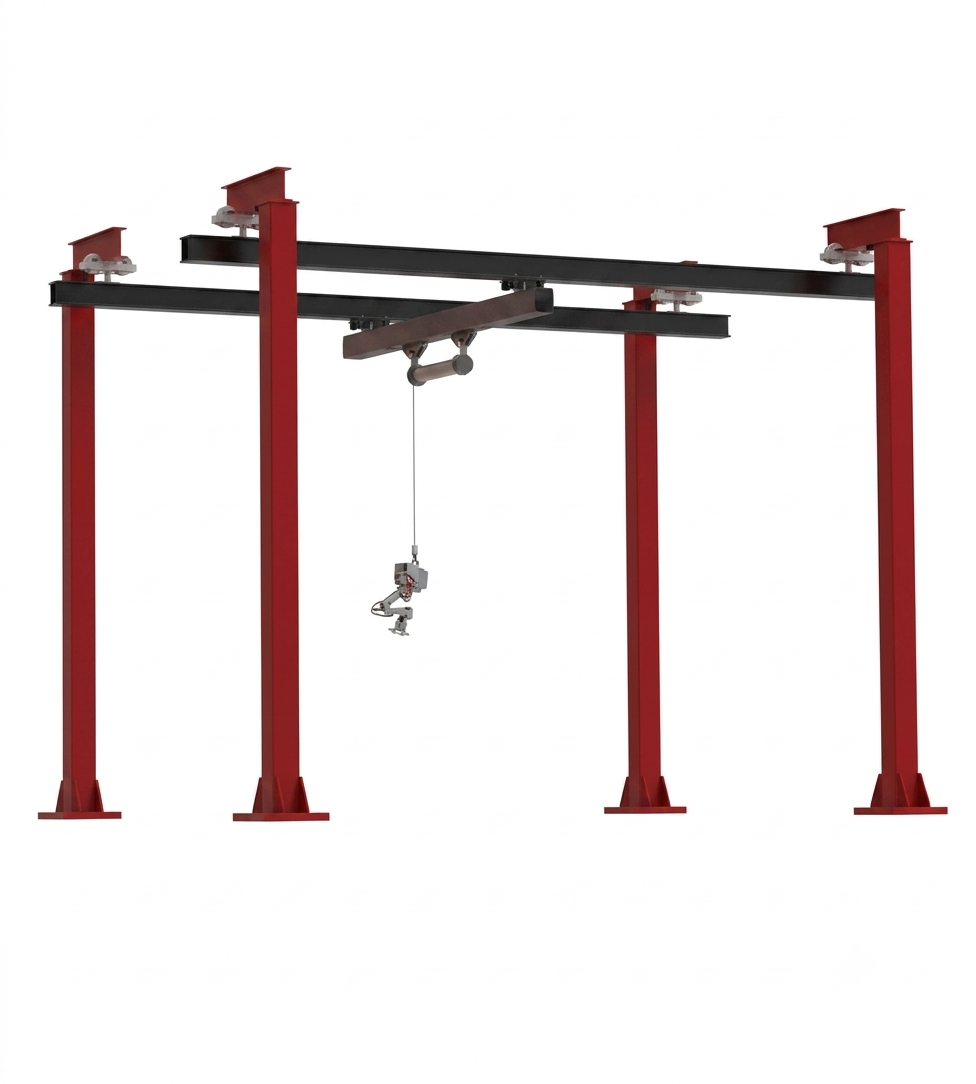
LIFTS ALL · Traverse Customized Overhead Crane and Rail System — up to 600 kg
 ⊕ Zoom
A custom-designed overhead crane is a flexible solution for industrial lifting where ergonomics, precision and productivity matter. A rail system with a suspension mechanism moves the lifting tool or hoist sideways with ease, keeping the load always within reach.
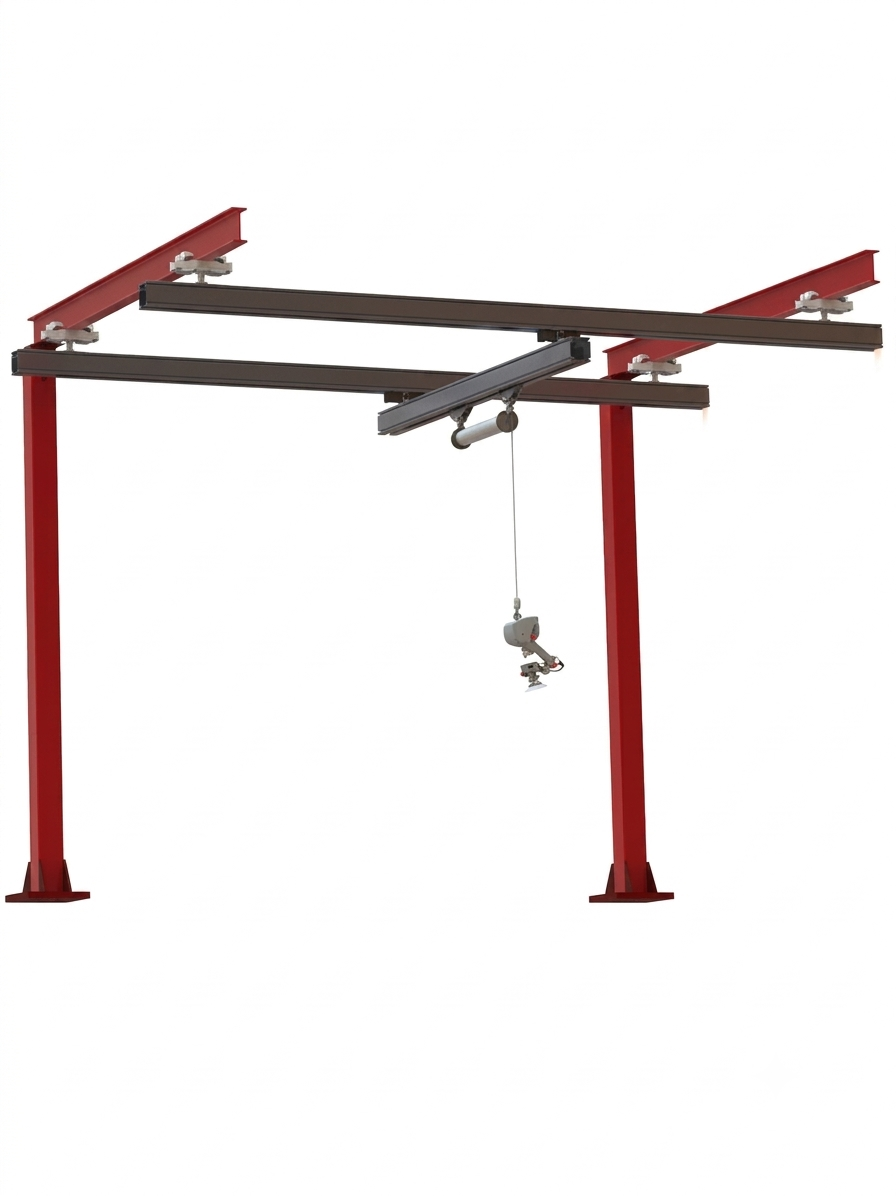
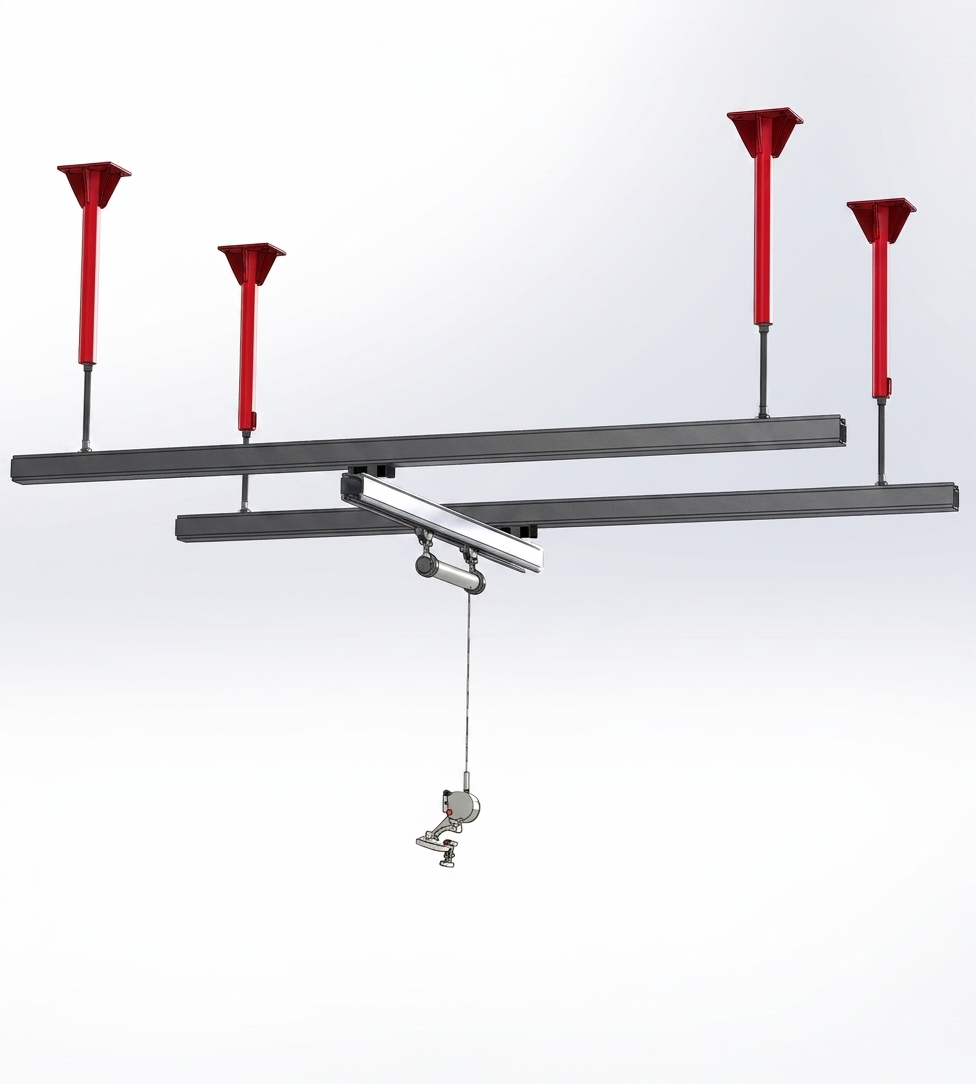
Each system is designed around your facility — ceiling height, load-bearing capacity, workflow and safety — and installed on the ceiling, the wall or a floor-mounted pillar, in new or existing operations. Width, lifting height and capacity are sized to need, up to 600 kg.
The system is lightweight, quiet and responsive. Low friction means minimal effort to move the load, reducing the risk of repetitive strain injuries.
A traverse is a flexible suspension system consisting of a rail system where the traverse boom has tracks with carriages. A lifting tool or hoist can be hung from these carriages. With a traverse system, the lifting tool slides smoothly and easily and is always at hand when you need it. We offer various types of overhead cranes that can be mounted on existing pillars, walls or ceilings depending on the work environment, and can lift up to 600 kg.
An overhead crane is used when you need a high degree of flexibility to operate a lifting tool or hoist within a circular area. Unlike a jib crane, the overhead crane is stationary but covers a larger area. Overhead cranes are highly adaptable and can therefore be used for most lifting needs. They have a flexible span, high lifting capacity, and can handle all of our lifting tools up to 600 kilograms.
Our overhead cranes are extremely smooth and quiet, which is essential for an ergonomic work environment where items are frequently lifted. Compared with other similar lightweight crane systems, operators need only one-third of the effort to move an object using our system. Reduced physical effort often leads to more efficient handling in the workplace.
Our overhead cranes can be used in spaces with both low and high ceilings. If the ceiling is very high, we can lower the crane. Approximately four metres is often the optimal crane height, as this provides enough space to both work and operate forklifts underneath without the risk of collision. The system can also be designed with a lower profile for environments with low ceilings.
Overhead tracks can be made in both long and short lengths. The overhead tracks we install typically have a span of 2–6 metres, but we can install overhead tracks in very large, virtually unlimited areas. It is also possible to modify the rail system with a telescopic track to reach areas outside the overhead track’s coverage. We can also make adjustments to your existing Lifts All rail system, for example if you want to expand it over time.
An overhead crane is a rail system with a suspension mechanism. The system consists of beams with tracks on which trolleys run. Lifting tools or hoists can be suspended from the trolleys.
An overhead crane is very similar to an overhead hoist and serves the same purpose, but is designed to handle heavier loads. An overhead crane is typically motor-driven, whereas Lifts All’s overhead hoists are manually operated.
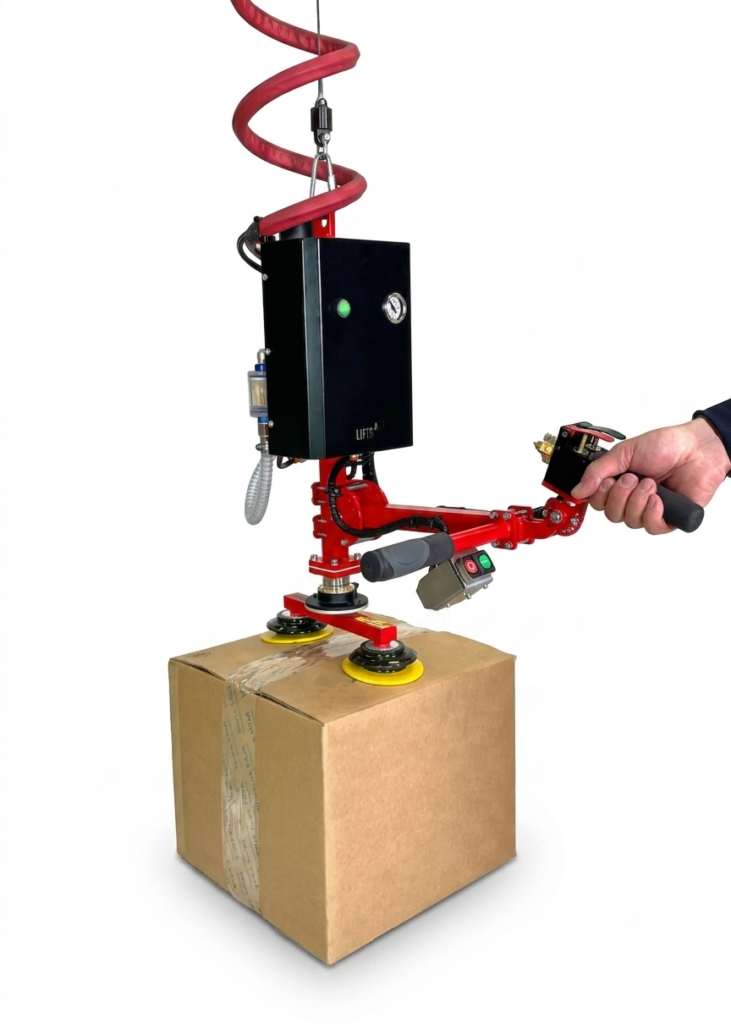
A hoist can be suspended from a crane. Just like a lifting tool, a hoist is a device used for lifting. But while Lifts All’s lifting tools are powered by a pneumatic cylinder, a hoist consists of a trolley with a lifting block driven by a motor. A chain or rope with a hook is often attached to the hoist. The hoist can sometimes be limited as a lifting device, whereas the lifting tool is precisely adapted to what it is designed to lift. A lifting tool is also dynamic in that it can be moved up and down smoothly and continuously, whereas the hoist is often more static.
The cost of an overhead crane depends, among other things, on how long it needs to be, the space where it will be installed, and the lifting capacity required. If the ceiling is high, the crane may need to be suspended from the ceiling. If the ceiling does not have sufficient load-bearing capacity or is difficult to access, it may need to be installed on pillars. Contact us and our sales engineers will assist you with a quote based on your needs.
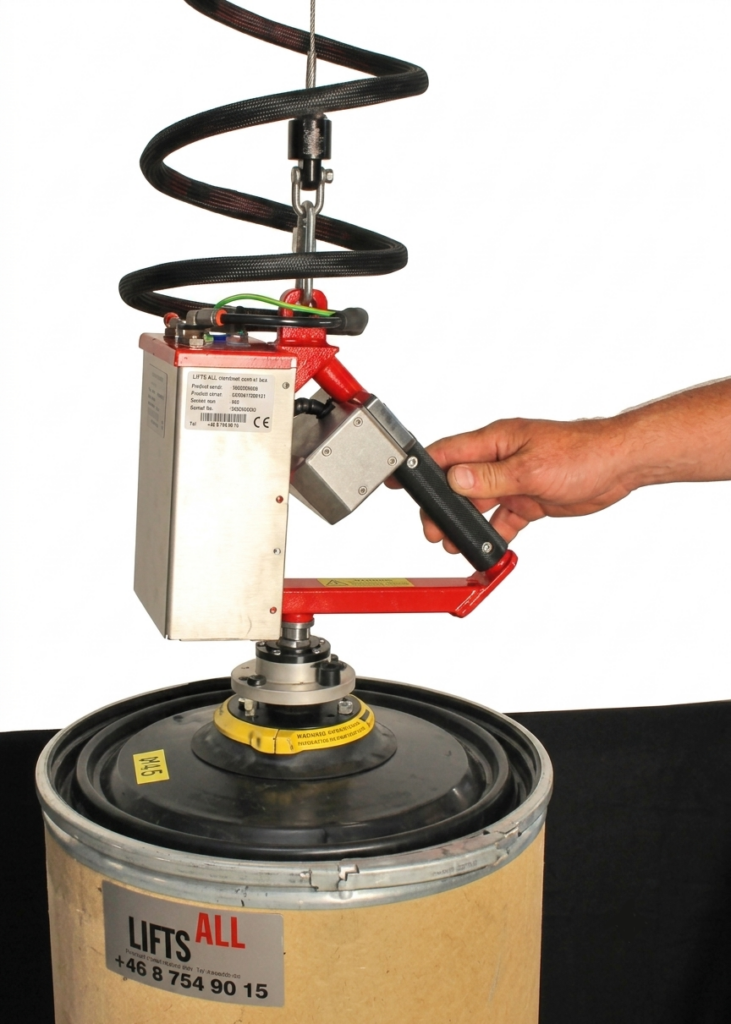
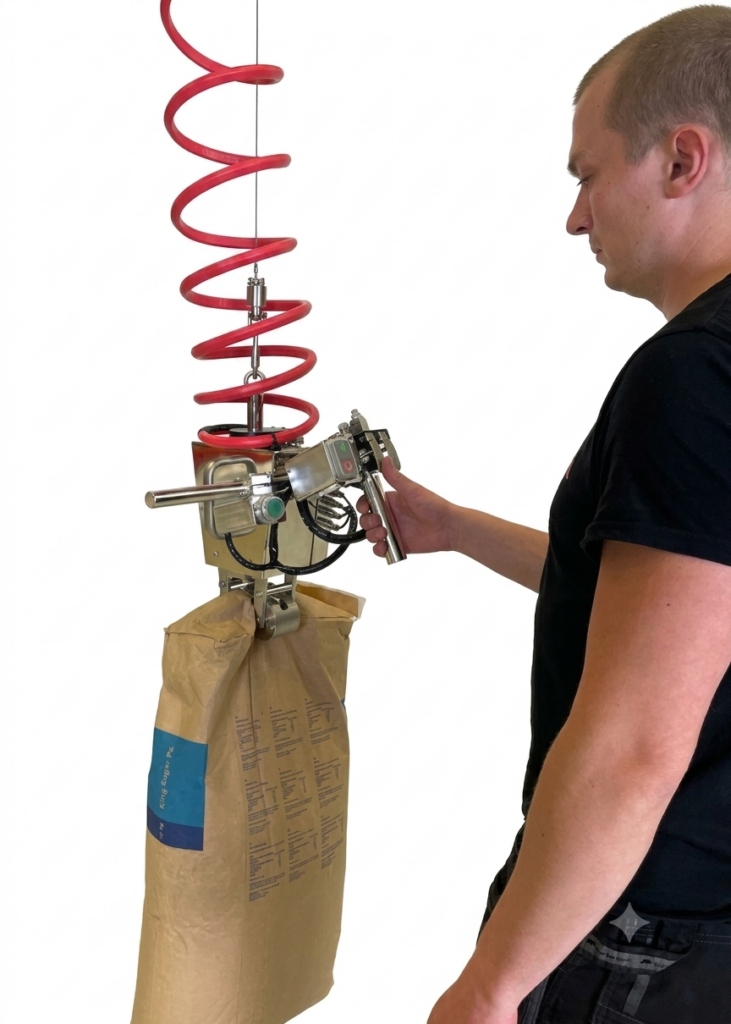
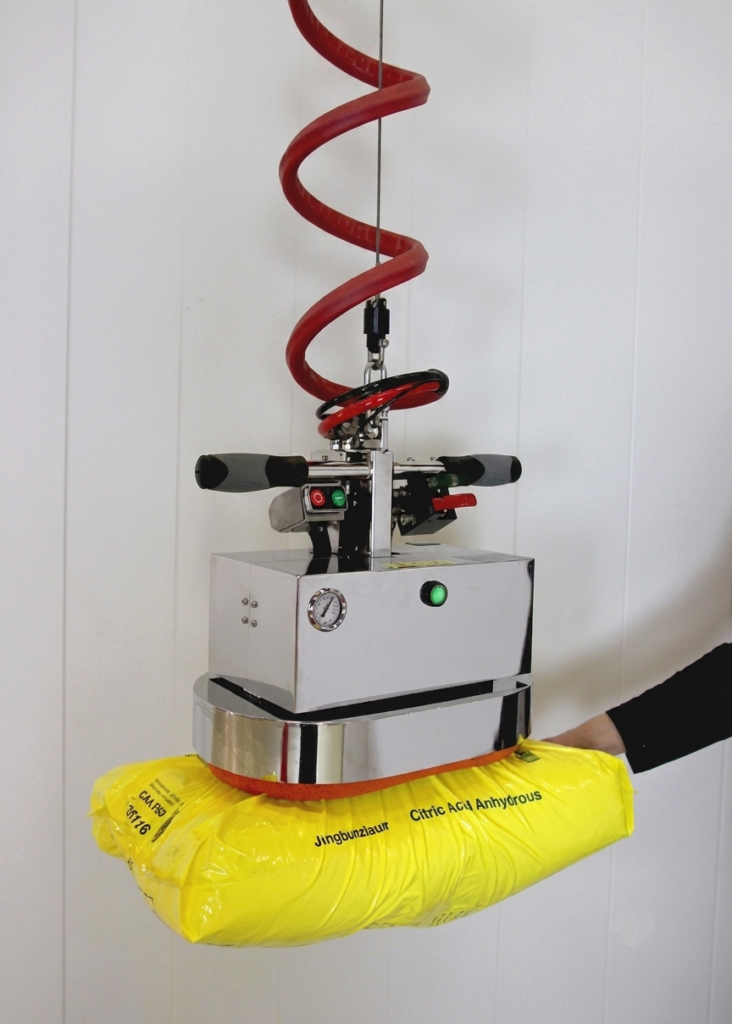
In most cases, the overhead crane is used to suspend our lifting tools. We always provide training on how to use our tools, and take the opportunity to adjust them according to their intended use.
Reviews
There are no reviews yet.